

Elon Musk’s Work in Space, AI, and Clean Technology Redefines Global Wealth Creation
 20 May, 2025
 257
257

Mumbai, December 16, 2025 — Elon Musk has become the world’s first individual with a net worth of $600 billion, according to Forbes, marking a defining moment in modern business history. More than a personal milestone, Musk’s rise reflects the economic power of technology, space exploration, artificial intelligence, and automation in shaping the future of global commerce.
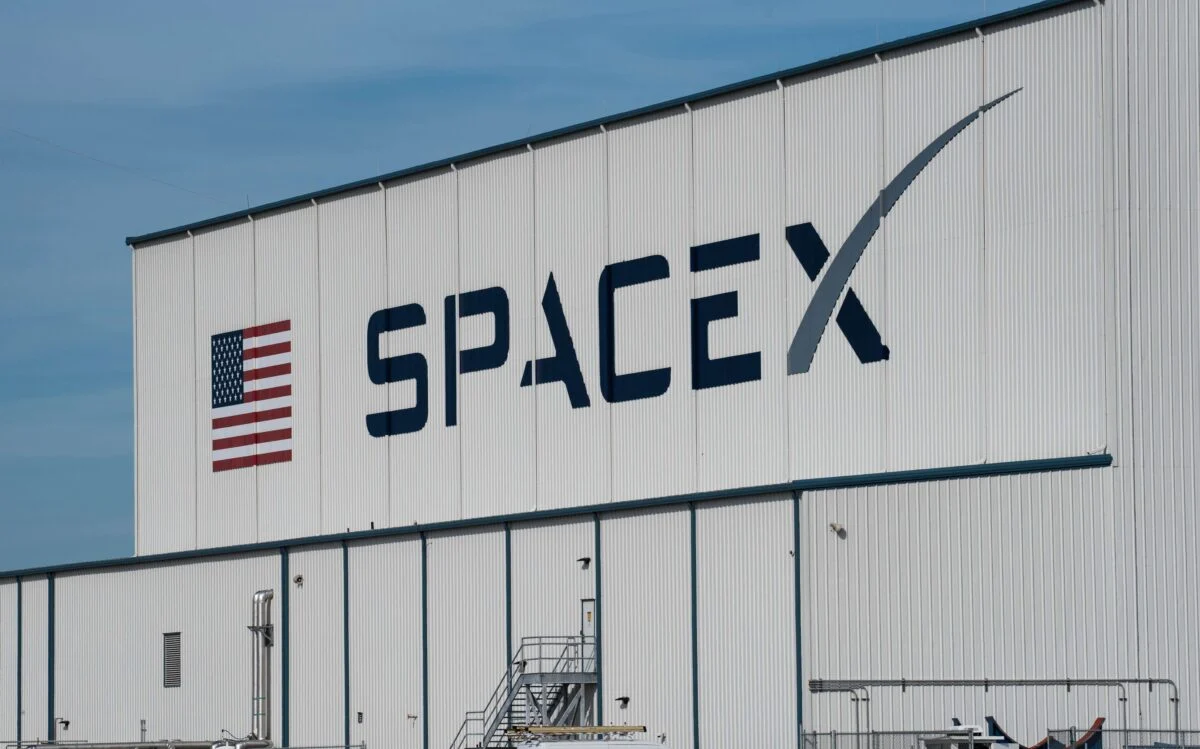
A major driver behind this surge is SpaceX, Musk’s private space company, which is reportedly preparing for an initial public offering (IPO) next year at a valuation of nearly $800 billion. Musk owns about 42% of the company, and growing confidence in SpaceX’s commercial and strategic importance has pushed investor expectations sharply higher.
From launching satellites and astronauts to providing global internet connectivity through Starlink, SpaceX has moved space technology from government-led missions to a commercial, revenue-generating industry, making it one of the most valuable technology companies in the world.
Tesla and AI Strengthen Musk’s Technology Empire
Musk’s wealth has also been powered by his leadership at Tesla, where innovation continues despite near-term challenges in electric vehicle sales. Tesla’s recent progress in robotaxi and autonomous driving technology highlights a future where transportation could become safer, cheaper, and fully automated.
At the same time, Musk’s artificial intelligence venture xAI is attracting strong investor interest, with talks underway to raise fresh capital at a high valuation. The move signals growing confidence in AI as the next major engine of productivity and economic growth.
Together, Tesla, SpaceX, and xAI represent Musk’s broader vision of integrating AI, automation, energy, and space technology to reshape how people live, work, and travel.
Technology, Space, AI, and Automation: The New Engines of Growth
Musk’s rise underscores a major global shift:
-
Space technology is now critical for communication, defense, navigation, and internet access.
-
Artificial intelligence is transforming industries such as manufacturing, healthcare, logistics, and finance.
-
Automation and robotics are boosting productivity while redefining the future of jobs.
-
Electric vehicles and clean energy are accelerating the transition toward sustainable mobility.
These sectors are no longer futuristic ideas—they are core pillars of economic power and global competitiveness.
Why This Matters for India
For India, this transformation presents a major opportunity:
-
Satellite and space technologies can strengthen digital infrastructure, rural connectivity, and disaster management.
-
AI and automation can enhance India’s IT services, startup ecosystem, and manufacturing efficiency.
-
Electric vehicle innovation can support India’s clean energy goals and reduce dependence on fossil fuels.
-
Rising global investment in advanced technology could lead to stronger foreign partnerships and capital inflows.
However, experts emphasize that India must focus on skill development, research, and innovation-friendly policies to fully capture these benefits and remain competitive in a rapidly evolving global economy.
Conclusion
Elon Musk’s $600 billion valuation is more than a record—it is a clear signal that the future of wealth lies in innovation-driven industries. As technology, space, AI, and automation continue to reshape the world, nations that invest in talent, infrastructure, and innovation—like India—have a powerful opportunity to emerge as leaders in the next phase of global growth.
Popular posts

India's Talent behind the JIO 5G roll ou...
 The BharatBiz
20 Apr, 2024
The BharatBiz
20 Apr, 2024
 16
5190
16
5190

How to calculate GDP of a Country
The BharatBiz
02 Oct, 2023
16
5528

Positive Impact Of Demoniterization
The BharatBiz
04 Sep, 2023
16
5199