

India Imposes Steel Import Tariffs to Shield Domestic Industry
 31 Dec, 2025
 264
264

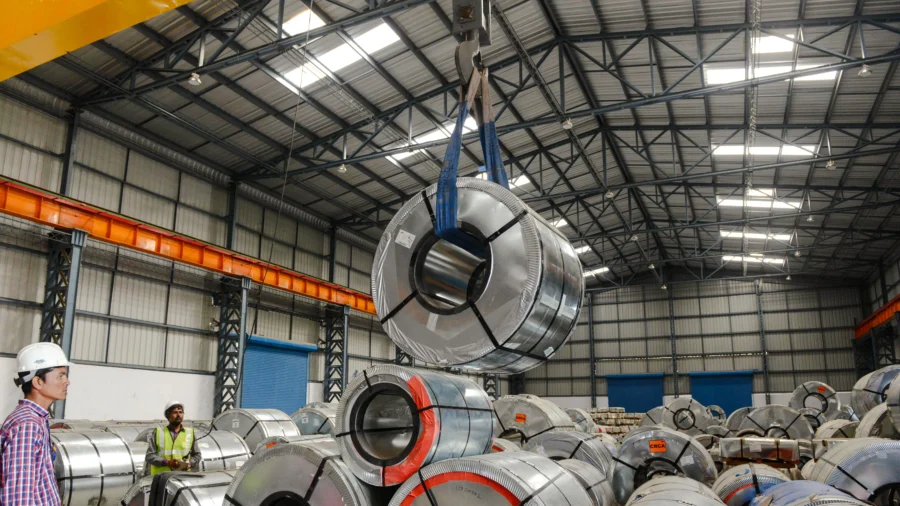
In a significant move to safeguard domestic manufacturing, the Government of India has imposed a safeguard duty on select steel imports for a period of three years. The decision comes amid rising concerns over cheap steel inflows, particularly from China, which have been exerting pressure on Indian steel producers and impacting capacity utilisation across the sector.
Key Details of the Safeguard Duty
The newly announced measure introduces a progressive safeguard tariff, starting at approximately 12% in the first year, with scope for revision over the subsequent two years. The duty applies to specific categories of finished steel products, including flat and long steel items that have witnessed a sharp surge in imports.
Safeguard duties are temporary trade remedies permitted under World Trade Organization (WTO) rules and are invoked when a sudden increase in imports causes or threatens serious injury to domestic producers.
Rationale Behind the Move
India’s steel sector has faced mounting challenges due to:
-
Excess global steel capacity, especially from China
-
Below-cost imports flooding the Indian market
-
Pressure on domestic prices and profitability
-
Reduced incentives for capacity expansion and modernization
By imposing the safeguard duty, the government aims to level the playing field, prevent market distortion, and ensure long-term sustainability of domestic steel manufacturing.
Impact on Domestic Steel Industry
The tariff is expected to provide immediate relief to Indian steelmakers by:
-
Stabilizing domestic steel prices
-
Improving capacity utilization
-
Encouraging fresh investments in steel infrastructure
-
Supporting employment across the steel value chain
Large integrated steel producers as well as mid-sized manufacturers are likely to benefit from improved market conditions.
Implications for Downstream Industries
While the move supports steel producers, downstream sectors such as automobiles, construction, capital goods, and infrastructure may face marginal cost pressures in the short term. However, policymakers believe that a stable and self-reliant steel sector is critical for India’s long-term industrial and infrastructure growth.
Trade and Geopolitical Considerations
The safeguard duty reflects India’s broader strategy of defensive trade policy amid global economic uncertainty. With several countries tightening trade measures to protect strategic industries, India’s decision aligns with global trends while remaining compliant with international trade norms.
Conclusion
India’s imposition of steel import tariffs marks a decisive step toward protecting domestic manufacturing from unfair trade practices. While short-term adjustments may be required across consuming industries, the measure is expected to strengthen India’s steel ecosystem, enhance self-reliance, and support sustainable industrial growth over the next three years.
Popular posts

India's Talent behind the JIO 5G roll ou...
 The BharatBiz
20 Apr, 2024
The BharatBiz
20 Apr, 2024
 16
5197
16
5197

How to calculate GDP of a Country
The BharatBiz
02 Oct, 2023
16
5534

Positive Impact Of Demoniterization
The BharatBiz
04 Sep, 2023
16
5204