

India Inc Brings Water Conservation Into the Boardroom as WEF Declares ‘Year of Water’
 24 Jan, 2026
 268
268

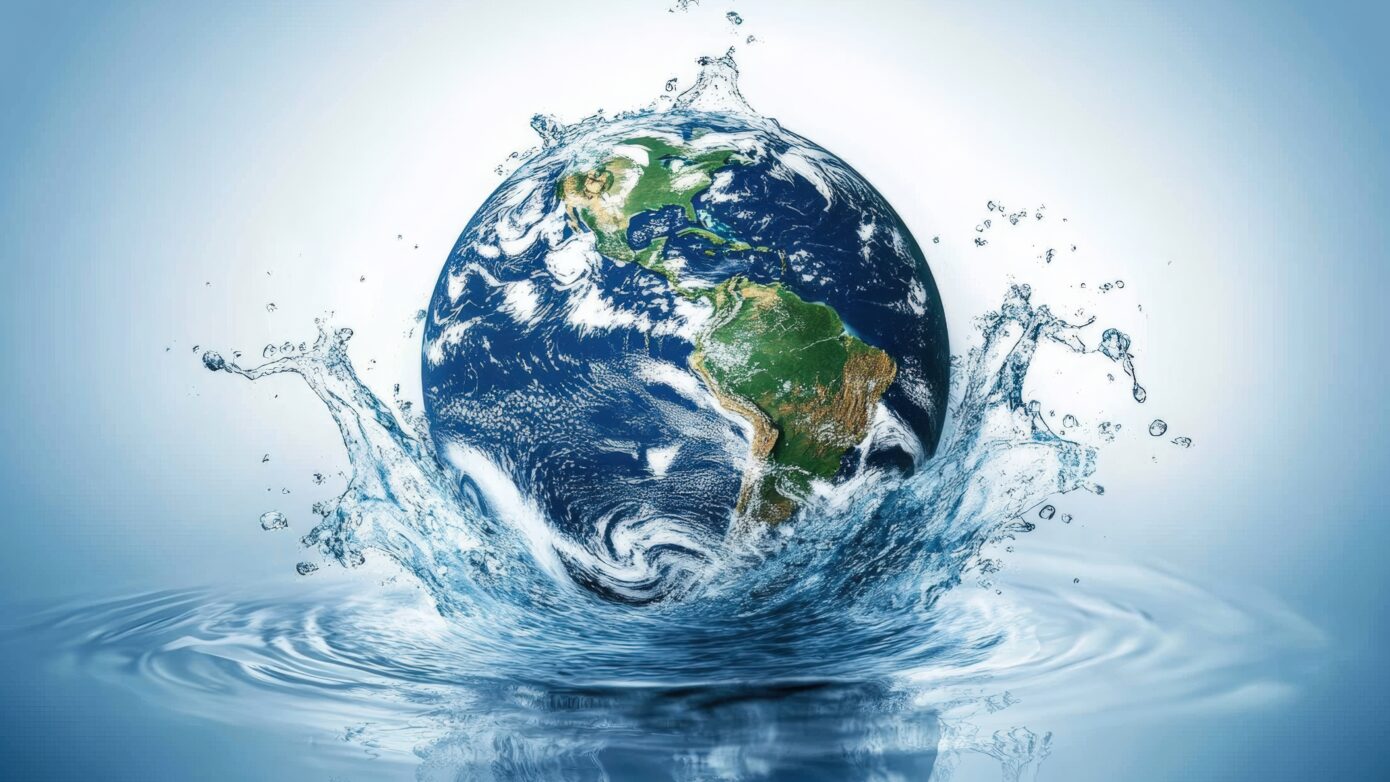
Water sustainability has moved from the sidelines to the boardroom. At the World Economic Forum’s ‘Year of Water’, Indian corporates made it clear that water conservation is no longer just an ESG checkbox — it is now a core business strategy.
As climate stress intensifies and water scarcity threatens industrial operations, India Inc. is rethinking how water risks impact growth, profitability, and long-term resilience.
Why Water Is Now a Business-Critical Risk
India ranks among the world’s most water-stressed nations, and businesses are feeling the pressure. From manufacturing disruptions to rising compliance costs, water availability now directly affects operational continuity.
At WEF, corporate leaders highlighted that water insecurity can no longer be managed through CSR initiatives alone. Instead, companies are integrating water risk into enterprise risk management frameworks, capital investment decisions, and supply chain planning.
Sectors such as FMCG, food processing, textiles, pharmaceuticals, power, and chemicals are particularly vulnerable due to high water dependence.
From ESG Reporting to Board-Level Accountability
One of the strongest signals from WEF was the shift in governance. Indian companies are assigning water stewardship responsibility to senior leadership and boards, ensuring accountability beyond sustainability teams.
This transition is being driven by:
-
Increasing investor scrutiny on ESG performance
-
Sustainability-linked loans and financing conditions
-
Global customer expectations for transparent water usage disclosures
-
Tighter regulatory oversight at state and central levels
As a result, water metrics are now being linked with performance indicators, audits, and long-term strategic planning.
Corporates Invest in Water-Positive Solutions
Indian businesses are scaling up investments in:
-
Rainwater harvesting and groundwater recharge
-
Wastewater treatment and reuse systems
-
Zero Liquid Discharge (ZLD) technologies
-
Watershed restoration and community water projects
Many firms are adopting water-positive or water-neutral targets, aiming to replenish more water than they consume — a move that strengthens both environmental impact and operational security.
Technology Strengthens the Business Case
Technology is playing a pivotal role in accelerating water efficiency. Smart sensors, AI-based water audits, and real-time consumption monitoring are helping companies reduce wastage and lower costs.
Several Indian corporates showcased at WEF how digital water management tools have delivered measurable savings, regulatory compliance, and risk mitigation, proving that sustainability and profitability can go hand in hand.
Water Strategy Is Becoming Competitive Advantage
The WEF ‘Year of Water’ marks a turning point for corporate India. Water conservation is no longer viewed as a compliance obligation — it is emerging as a competitive advantage that enhances investor confidence, brand trust, and supply-chain resilience.
As India’s economy expands, companies that prioritise water security today will be better positioned to sustain growth tomorrow. The message from global leaders is unmistakable: water strategy is business strategy, and India Inc is responding with urgency.
Popular posts

India's Talent behind the JIO 5G roll ou...
 The BharatBiz
20 Apr, 2024
The BharatBiz
20 Apr, 2024
 16
5191
16
5191

How to calculate GDP of a Country
The BharatBiz
02 Oct, 2023
16
5528

Positive Impact Of Demoniterization
The BharatBiz
04 Sep, 2023
16
5199