

India’s Energy Trade Shift and U.S. Tariff Warnings: A Turning Point for Commerce and Geopolitics
 20 Jun, 2026
 253
253

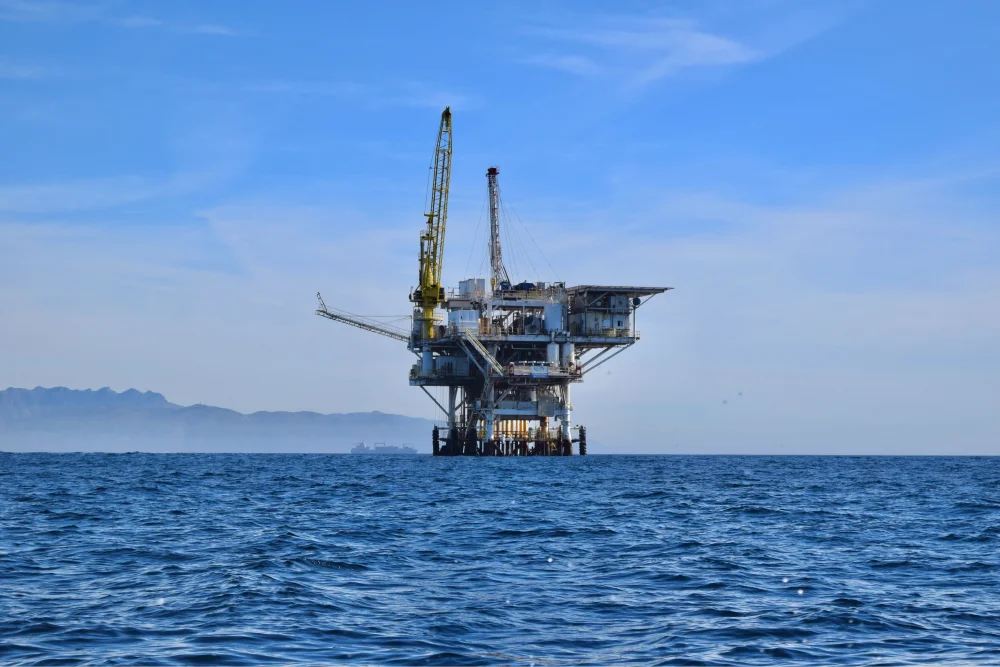
India’s energy and trade landscape is undergoing a significant transformation as global geopolitics increasingly shape commercial decisions. Two closely linked developments—the sharp rise in crude oil imports from the United States and fresh U.S. tariff warnings tied to India’s Russian oil purchases—have brought energy security and trade policy into sharp focus.
Surge in U.S. Crude Oil Imports Signals Strategic Realignment
India’s crude oil imports from the United States surged by nearly 92% during the first eight months of the current fiscal year, marking a notable shift in sourcing strategy. Traditionally reliant on Middle Eastern suppliers, India has steadily diversified its energy basket to reduce geopolitical risk and enhance supply security.
This sharp increase reflects multiple factors, including competitive pricing, reliability of supply, and strengthening bilateral trade ties between India and the U.S. The shift also aligns with India’s long-term goal of reducing over-dependence on any single region while maintaining flexibility amid global disruptions.
Energy experts note that rising imports from the U.S. improve India’s bargaining power in global markets and help insulate the economy from volatility caused by conflicts, sanctions, and supply chain shocks.
U.S. Tariff Warnings Add Pressure on India’s Trade Strategy
At the same time, trade policy tensions have resurfaced after the United States issued fresh tariff warnings to India over its continued imports of Russian oil. These warnings place India’s export-oriented sectors under scrutiny, as any escalation could impact industries such as pharmaceuticals, textiles, auto components, chemicals, and engineering goods.
The U.S. stance reflects broader geopolitical pressures surrounding Russia-related trade and sanctions. While India has consistently emphasized its sovereign right to secure affordable energy for its growing economy, the tariff warnings underline the delicate balance India must maintain between economic pragmatism and diplomatic alignment.
Implications for Indian Businesses and Exporters
For Indian businesses, these developments present both opportunities and challenges. Increased energy diversification enhances long-term economic stability, but potential tariff actions introduce uncertainty for exporters dependent on the U.S. market.
Industry leaders are closely monitoring developments, as future trade negotiations may require recalibrated strategies, alternative markets, and stronger domestic competitiveness. Policymakers, meanwhile, face the task of safeguarding growth while navigating complex global alliances.
A Defining Moment for India’s Global Trade Position
Together, the surge in U.S. crude oil imports and the tariff warnings linked to Russian oil purchases highlight a defining phase in India’s trade and energy journey. As India positions itself as a major global economic power, decisions taken today will shape its energy security, export competitiveness, and diplomatic influence in the years ahead.
Popular posts

India's Talent behind the JIO 5G roll ou...
 The BharatBiz
20 Apr, 2024
The BharatBiz
20 Apr, 2024
 16
5190
16
5190

How to calculate GDP of a Country
The BharatBiz
02 Oct, 2023
16
5527

Positive Impact Of Demoniterization
The BharatBiz
04 Sep, 2023
16
5197