

Nationwide Gig Workers’ Strike Disrupts Ride-Hailing and Food Delivery Platforms
 07 Feb, 2026
 323
323

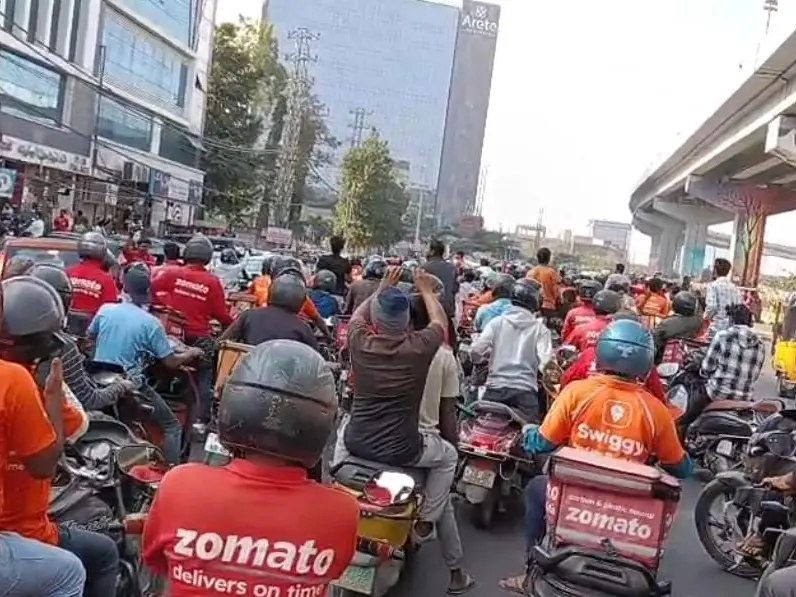
A nationwide strike by gig workers has disrupted operations across major app-based platforms including Uber, Ola, Swiggy, and Zomato, drawing attention to long-standing labor concerns within India’s rapidly expanding gig economy.
Drivers and delivery partners across multiple cities stayed off the roads to protest low earnings, high commission structures, rising fuel costs, and the absence of social security benefits. The coordinated action led to longer wait times, surge pricing, and limited service availability on ride-hailing and food delivery apps throughout the day.
Core Demands of Gig Workers
Gig workers are demanding:
-
Minimum assured earnings per ride or delivery
-
Reduction in platform commissions
-
Fuel cost adjustments amid volatile prices
-
Health insurance, accident cover, and social security benefits
-
Greater transparency in incentive and rating systems
Worker unions and associations argue that while platform companies have expanded aggressively and improved profitability, earnings for frontline workers have stagnated or declined, making livelihoods increasingly unsustainable.
Impact on Platforms and Consumers
The strike has highlighted the operational vulnerability of platform-based business models, which rely heavily on flexible labor. Consumers in metro and tier-1 cities reported delays in food delivery and difficulties in booking rides, particularly during peak hours.
Industry experts note that repeated disruptions could impact customer trust, platform reliability, and long-term growth, especially as competition intensifies in the quick-commerce and mobility segments.
Regulatory and Policy Implications
The protest has reignited debates around gig worker classification and regulation. Policymakers have been exploring frameworks to extend social security benefits to gig and platform workers, but implementation remains uneven.
Economists believe the strike may accelerate discussions around:
-
Formal recognition of gig workers
-
Mandatory welfare contributions by platforms
-
Balanced regulation that protects workers without stifling innovation
Looking Ahead
As India’s gig economy continues to grow—spanning mobility, food delivery, logistics, and quick commerce—resolving labor concerns will be critical. Platforms may need to reassess pay structures and worker engagement models to ensure sustainable growth while maintaining service quality.
The nationwide strike serves as a reminder that inclusive growth and fair labor practices are becoming central to the future of India’s digital commerce ecosystem.
Popular posts

India's Talent behind the JIO 5G roll ou...
 The BharatBiz
20 Apr, 2024
The BharatBiz
20 Apr, 2024
 16
5215
16
5215

How to calculate GDP of a Country
The BharatBiz
02 Oct, 2023
16
5553

Positive Impact Of Demoniterization
The BharatBiz
04 Sep, 2023
16
5220