

Precious Metals Market Analysis: Record Highs Meet Resistance Amid Geopolitical Storm
 20 Jun, 2026
 244
244

Mumbai, India – January 13, 2026
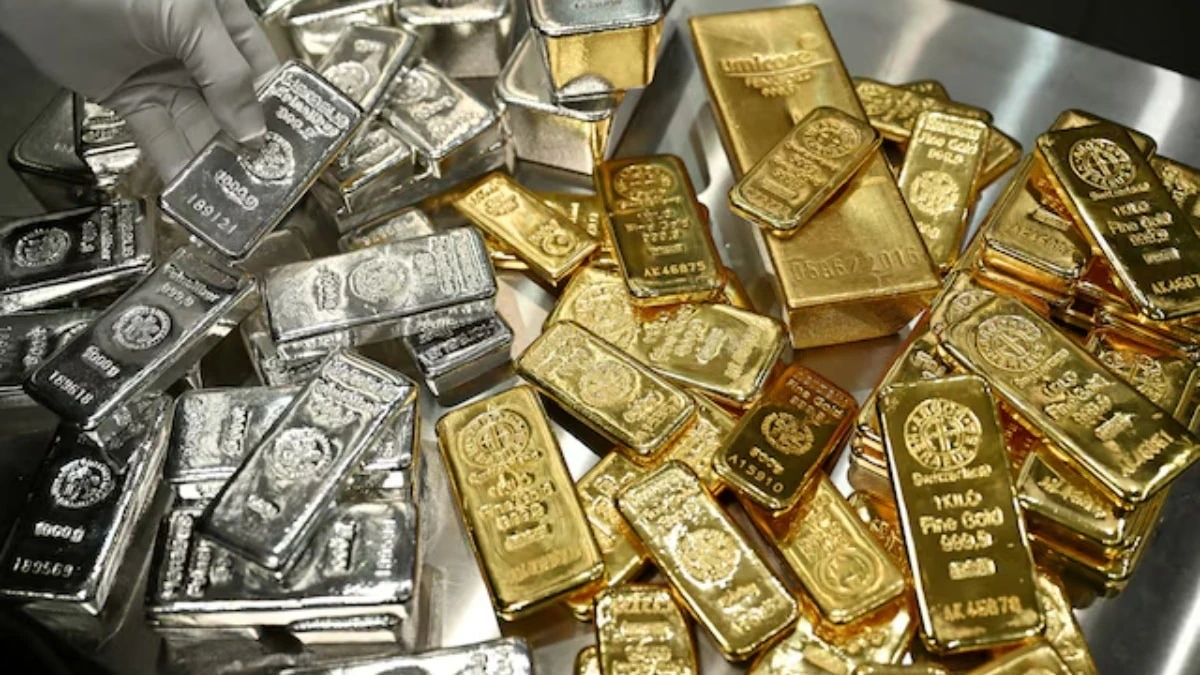
The precious metals market in India is witnessing a high-stakes tug-of-war today. After a historic session on Monday that saw Gold breach the $4,600 per ounce mark and Silver skyrocket toward ₹2.72 lakh per kg, the markets opened with cautious volatility. While gold prices eased slightly due to profit-booking at record levels, silver remains structurally supported by an unprecedented supply-demand gap.
Strategic Price Levels: Tuesday, Jan 13, 2026
- Gold (24K): Trading near ₹1,42,230 per 10 grams, up slightly after an early-morning dip. Analysts identify immediate resistance at ₹1,42,573.
- Silver (999): Smashed a new record of ₹2.70 lakh to ₹2.72 lakh per kg in major cities. The "white metal" is currently in a strong bullish channel with potential targets of ₹3.20 lakh by year-end.
- Platinum: Following the broader rally, platinum is trading at 17-year highs, priced around ₹68,090 per 10 grams.
Critical Factors Driving the 2026 Bullion Surge
1. The "Trump Effect" and Fed Independence
Geopolitics remains the primary driver. Market sentiment was rattled this week by U.S. President Donald Trump’s aggressive stance on Iran, including a 25% tariff threat on any nation trading with Tehran. Furthermore, a surprise criminal investigation into Federal Reserve Chair Jerome Powell has raised alarms regarding the Fed's independence, prompting a mass rotation out of U.S. paper assets and into safe-haven bullion.
2. Structural Silver Deficit: The Green Energy Squeeze
2026 marks the fifth consecutive year of structural deficit in the silver market. Silver's dual role as a precious metal and an industrial input is causing a "supercycle." Demand from solar photovoltaic (PV) installations, electric vehicles (EVs), and AI-driven grid infrastructure has outpaced flat mining output for a decade. Silver inventories in LBMA and COMEX vaults have plummeted by roughly 35% since 2021.
3. Domestic Currency Pressure
The Indian Rupee weakened to ₹90.22 against the US Dollar in early trade. Since gold is internationally priced in dollars, a weaker rupee increases the "landed cost" for Indian importers, effectively keeping domestic prices elevated even when global spot rates see minor corrections.
4. Central Bank Accumulation
Global central banks continue to treat gold as a strategic hedge against currency debasement. In India, retail demand for heavy jewelry has cooled due to high prices, but investment flows into Gold ETFs and Sovereign Gold Bonds have surged by over 150% as investors seek transparent, liquid ways to ride the rally.
Expert Outlook: Buy the Dips?
Technical analysts from firms like HDFC Securities and Sharekhan advise a "buy on dips" strategy. While the long-term trajectory is bullish—with some projecting gold could reach ₹1.45 lakh shortly—short-term volatility is expected ahead of the U.S. Supreme Court's ruling on tariffs, now scheduled for January 14, 2026.
Popular posts

India's Talent behind the JIO 5G roll ou...
 The BharatBiz
20 Apr, 2024
The BharatBiz
20 Apr, 2024
 16
5190
16
5190

How to calculate GDP of a Country
The BharatBiz
02 Oct, 2023
16
5527

Positive Impact Of Demoniterization
The BharatBiz
04 Sep, 2023
16
5198