

India Pushes Green Farming and Rural Growth with Electric Tractor Standards and Skill Hubs
 29 Dec, 2025
 269
269

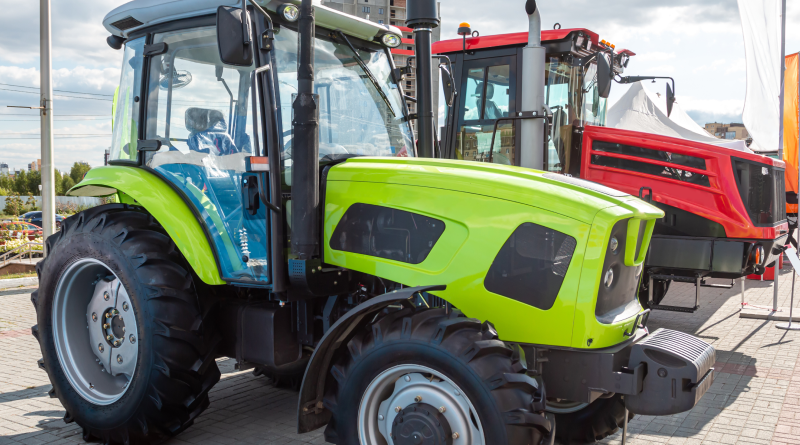
India’s growth narrative is increasingly being shaped by the convergence of sustainability, technology, and rural empowerment. Two recent developments highlight this shift: the introduction of India’s first testing standard for electric agricultural tractors and renewed policy focus on rural and traditional industries, exemplified by the spotlight on the Narasapuram lace industry and the launch of a Cyient AI & Future Skills Hub. Together, these initiatives underline India’s commitment to inclusive, future-ready economic growth.
Electric Tractors: Driving the Next Phase of Clean Farming
In a major push toward green mechanisation, India has unveiled its first official testing and certification standard for electric agricultural tractors. This landmark move aims to accelerate the adoption of electric farm machinery by establishing clear benchmarks for performance, safety, durability, and quality.
The new standard is expected to:
-
Encourage manufacturers and startups to invest in electric tractor development
-
Reduce uncertainty for farmers by ensuring reliable and certified products
-
Support India’s climate commitments by cutting diesel dependence and carbon emissions
-
Improve long-term cost efficiency for farmers through lower operating and maintenance costs
With agriculture employing nearly half of India’s workforce, clean farming technologies such as electric tractors can play a critical role in modernising rural productivity while aligning with India’s broader sustainability goals.
Strengthening Rural and Traditional Industries
Alongside technological transformation in agriculture, the government is reinforcing the economic value of traditional rural industries. Prime Minister Narendra Modi recently highlighted the Narasapuram lace industry of Andhra Pradesh, recognising its contribution to exports, women-led employment, and heritage craftsmanship.
The emphasis on such clusters reflects a strategic approach to:
-
Preserve indigenous skills and artisanal livelihoods
-
Boost export-oriented rural manufacturing
-
Enhance income stability in non-farm rural sectors
Digital Skills as a Rural Growth Catalyst
Complementing this focus, the launch of the Cyient AI & Future Skills Hub marks a decisive step toward integrating digital and agri-tech skills into rural development. The initiative aims to equip rural youth with capabilities in artificial intelligence, emerging technologies, and industry-relevant digital tools, bridging the rural–urban skills gap.
This dual strategy—supporting traditional industries while enabling access to future technologies—creates a balanced model of rural transformation.
Conclusion
India’s approach to development is evolving beyond urban-centric growth. By combining clean agricultural innovation, support for traditional industries, and technology-driven skill development, the country is building a resilient and inclusive economic framework. The electric tractor standards and renewed rural focus signal a future where sustainability, heritage, and technology work together to power India’s growth story.
Popular posts

India's Talent behind the JIO 5G roll ou...
 The BharatBiz
20 Apr, 2024
The BharatBiz
20 Apr, 2024
 16
5191
16
5191

How to calculate GDP of a Country
The BharatBiz
02 Oct, 2023
16
5528

Positive Impact Of Demoniterization
The BharatBiz
04 Sep, 2023
16
5199